
Periodic Facade Inspection Singapore
SGFacadeScan Pte. Ltd. your One Stop Façade Inspection Specialist
Need help with Periodic Facade Inspection (PFI) in Singapore? We provide professional PFI support for MCSTs and building owners for all types of properties including residential, commercial, industrial and institutional buildings.
Our team assists with liaising with BCA for submission of necessary documents, purchase of as-built drawings (if needed), facade inspection planning, 100% drone inspection and 10% close range rope access inspection, defect documentation and recommendation methods, report preparation and submission to BCA.
Compliant
Specialists
Actionable Reports
What Is Periodic Facade Inspection?
Periodic Facade Inspection, or PFI, is a regulatory façade inspection regime in Singapore that helps building owners detect and address façade deterioration early.
It applies generally to buildings over 20 years old and must be carried out by an appointed Competent Person. We provide clients with a one-stop PFI service to include all necessary inspections and report submission to BCA.
Our PFI & Facade Inspection Services

Periodic Facade Inspection Support
We help property managing agents and owners understand the practical steps required after receiving a PFI notice from BCA and ensure that the inspections conducted are according to BCA’s requirement of 100% visual inspection and 10% close-range inspection.
BCA PFI Compliance Support
The 100% visual inspection is a visual survey to observe the entire building façade. Good resolution photographs are taken to record the façade condition including the defects observed. The 10% close-range inspection is a close-up inspection with tactile assessment (where there is physical contact with the façade). Tools such as tapping rod, or boroscope may be used to inspect for defects.

Drone Facade Inspection Singapore
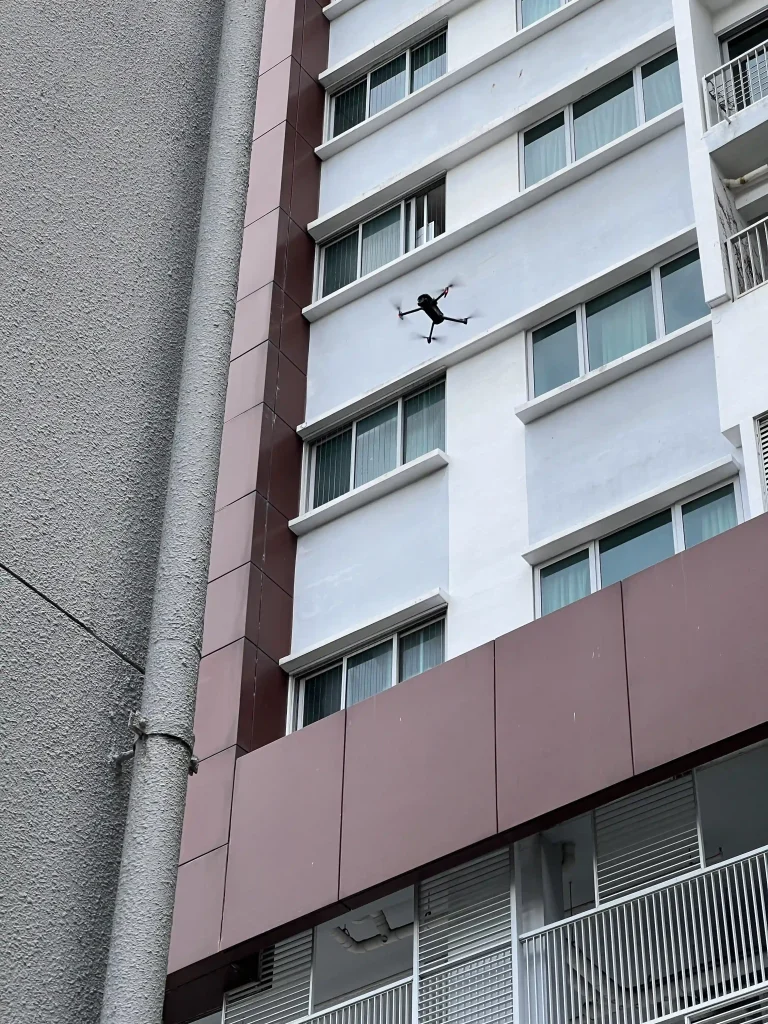
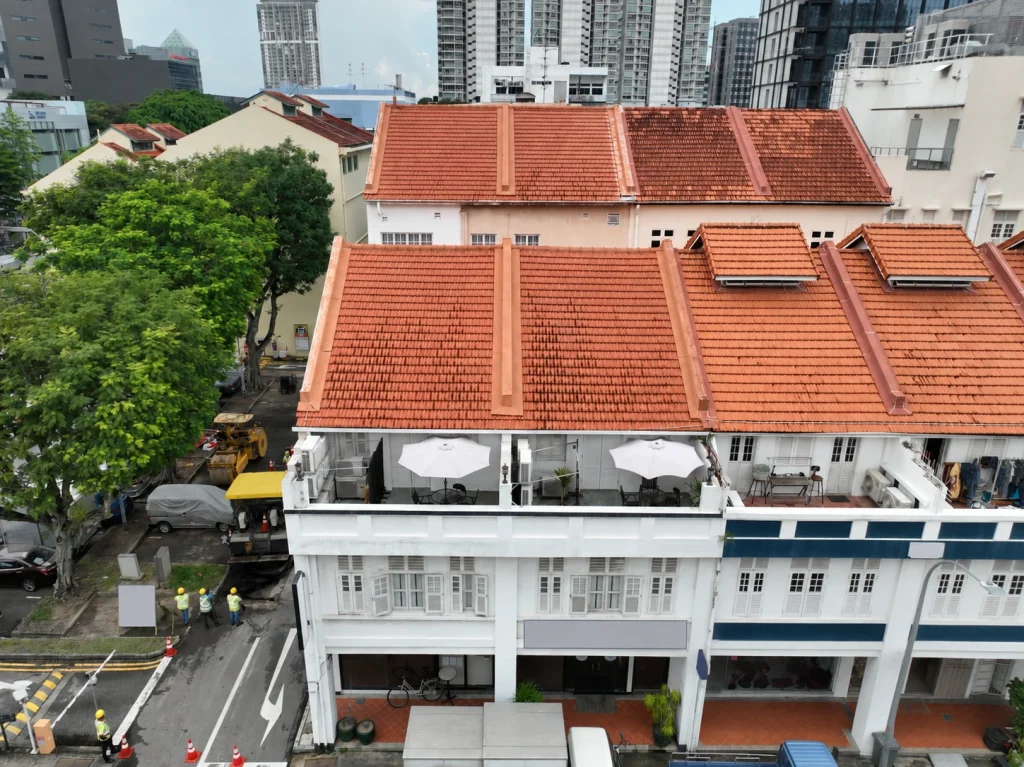
For the 100% visual inspection, we adopt technology, such as drones, to capture high resolution photographs of the defects up-close. We coordinate the 100% drone visual inspection support for high-level photo capture, facade defect mapping and visual inspection records.

Rope Access Inspection Singapore

Facade Defect Assessment

Façade Defects Recommendation
Where defects are identified, we give recommendations on rectification methods so that the contractor, who is appointed by the MCST or owner, can follow up with rectification works subsequently.
Why Choose Us for BCA Periodic Facade Inspection Support?
We combine technical expertise, industry experience and advanced technology to deliver reliable results you can act on.

One-Stop Inspection Support
SGFacadeScan helps Singapore building owners, MCSTs and managing agents comply with BCA Periodic Facade Inspection requirements through Competent Person-led assessment, drone façade inspection, rope access inspection coordination, defect documentation, recommendations, and final report preparation for submission.

On-Time Delivery
From the initial review of your BCA PFI notice to inspection scheduling, report preparation and submission support, our team coordinates every stage of the process. We work closely with building owners, MCSTs and managing agents to help keep the inspection organised, efficient and aligned with BCA requirements.

Practical for MCSTs and Owners
Our process is suitable for MCSTs and owners who need clear reporting, council updates and repair cost planning.
Drone & Close Range Inspection
Clear Defect Records
Our documentation helps MCSTs and building owners understand the location, severity and likely repair method for each defect.

Singapore-Focused PFI
We provide dedicated service for Periodic Façade Inspection in Singapore and we are very familiar with BCA PFI process and requirement.
Drone and Rope Access Façade Inspection
We combine drone technology for 100% visual coverage with rope access for the 10% close-range inspection meeting BCA PFI requirements with clear photographic records and defect mapping.
100% visual drone inspection for high-level photo capture, façade defect mapping and visual inspection records.
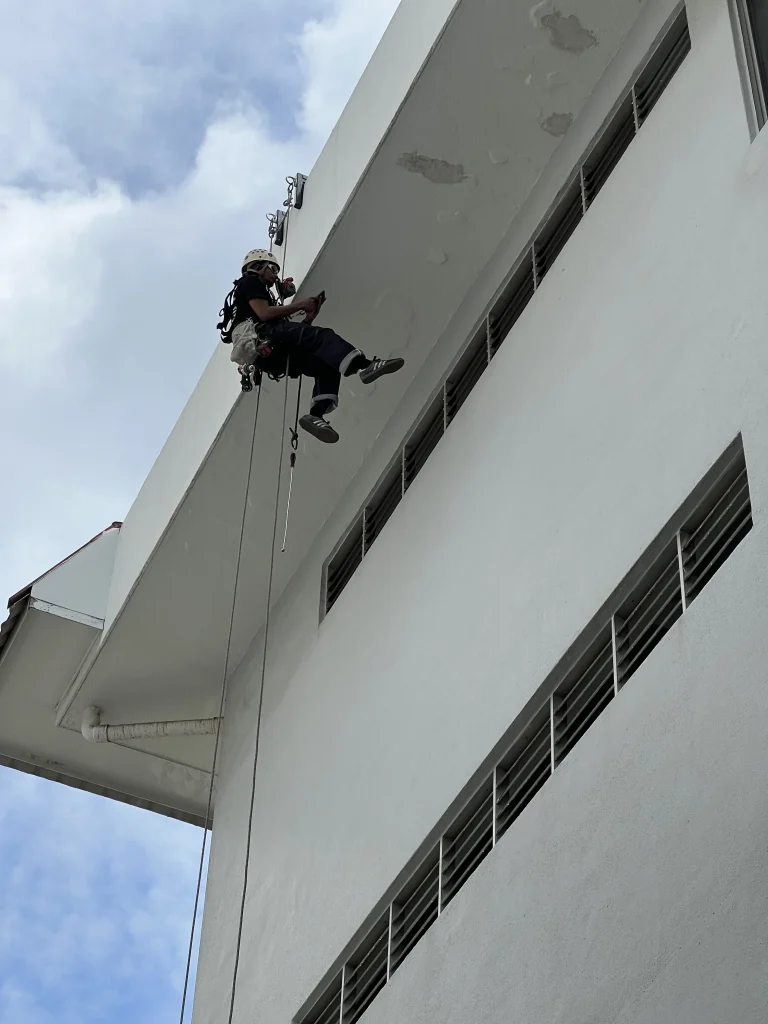
Qualified rope access inspectors capture defects with high-resolution photos for façade defect mapping.
PFI Support for MCSTs and Owners
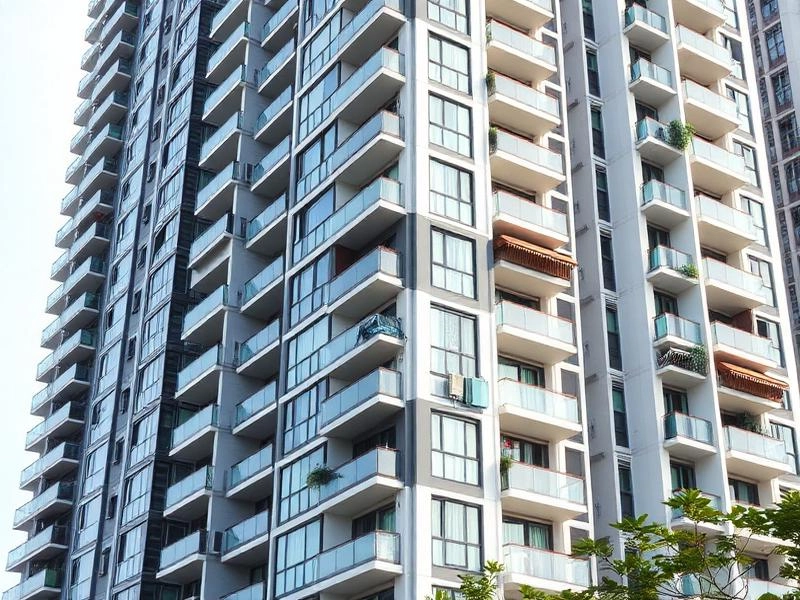
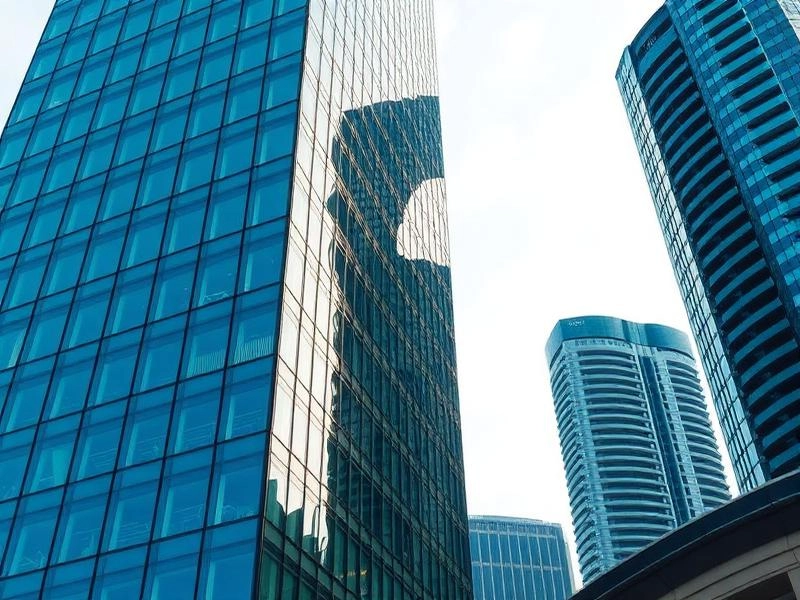
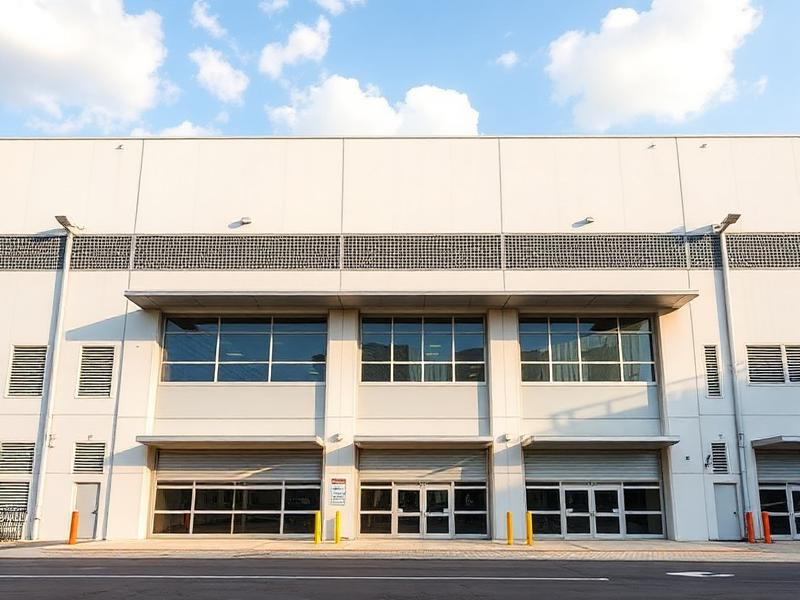
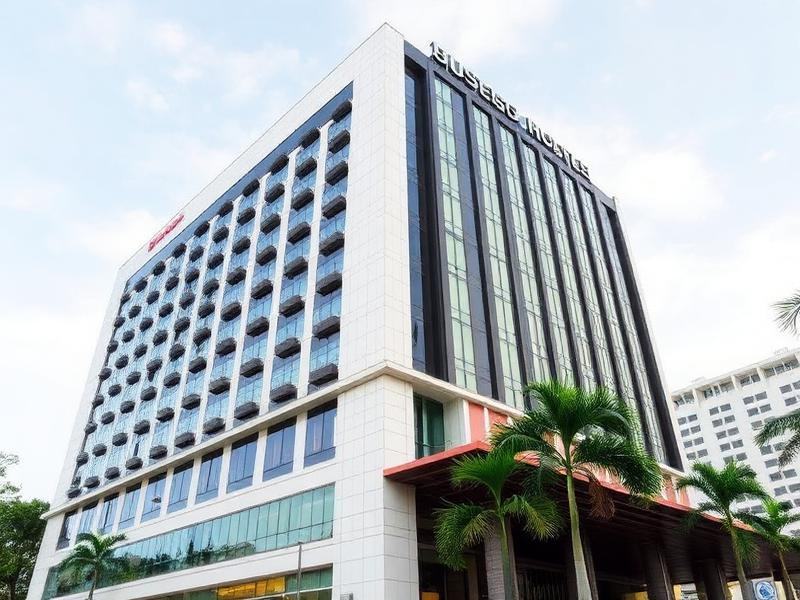
Whether you are a managing agent or owner of residential or commercial buildings, industrial properties, hotels, schools, shopping malls or mixed-use developments, we provide a one-stop PFI service.
Our Periodic Facade Inspection Support Process
Submission of CP appointment form to BCA
As soon as we have been appointed as your PFI service provider, we will do all necessary submission, such as the CP appointment form, to BCA. We may purchase the as-built drawings, on behalf of the MCST or owner, if necessary.
Initial Site Review
We review the different types of façade of building and the locations of the different types of attachments, such as feature roof, canopy dropoff, air-conditioning units etc to the building. We also study the as-built drawings and review the maintenance records, if any.
Inspection Planning
There will be 2 inspections, namely the 100% visual drone inspection and the 10% close-range rope access inspection. These 2 inspections are usually conducted on separate days. We assist the MCST or owner to co-ordinate the dates for the 2 inspections. We identify the areas where we want detailed photos to be taken by the drone and rope accessors. The Façade Inspector (FI) will be on site to ensure that the Competent Person’s (CP) instructions are carried out. Our experienced FIs will also assist the CP to identify defects and if they are safe, require repair or unsafe.
Facade Defect Documentation
Visible defects are recorded during the 100% visual drone inspection and the 10% close-range rope access inspection and documented into 2 separate reports. The reports will include locations of defects, defects photographs and the category of defects (whether they are safe, require repair or unsafe).
Recommendation of Defects
For each defect type which is identified, we help recommend the step-by-step rectification methods. The contractor, who will be doing the rectification works subsequently, can follow the recommended rectification method to rectify the defect.
Completion Documentation
We will document the defects findings and recommended rectification methods into the Final Report, which would be endorsed by both the Façade Inspector (FI) and Competent Person (CP) and submitted to BCA for clearance.
Common Facade Defects We Help Document
- External wall cracks
- Spalling concrete
- Loose tiles
- Loose facade elements
- Sealant failure
- Water seepage
- Cladding defects
- Staining
Projects we've helped protect.
Discover how we’ve helped building owners, MCSTs and managing agents across Singapore complete Periodic Facade Inspections with professional assessment, clear documentation and reliable BCA compliance support.
Condominium PFI Case Study
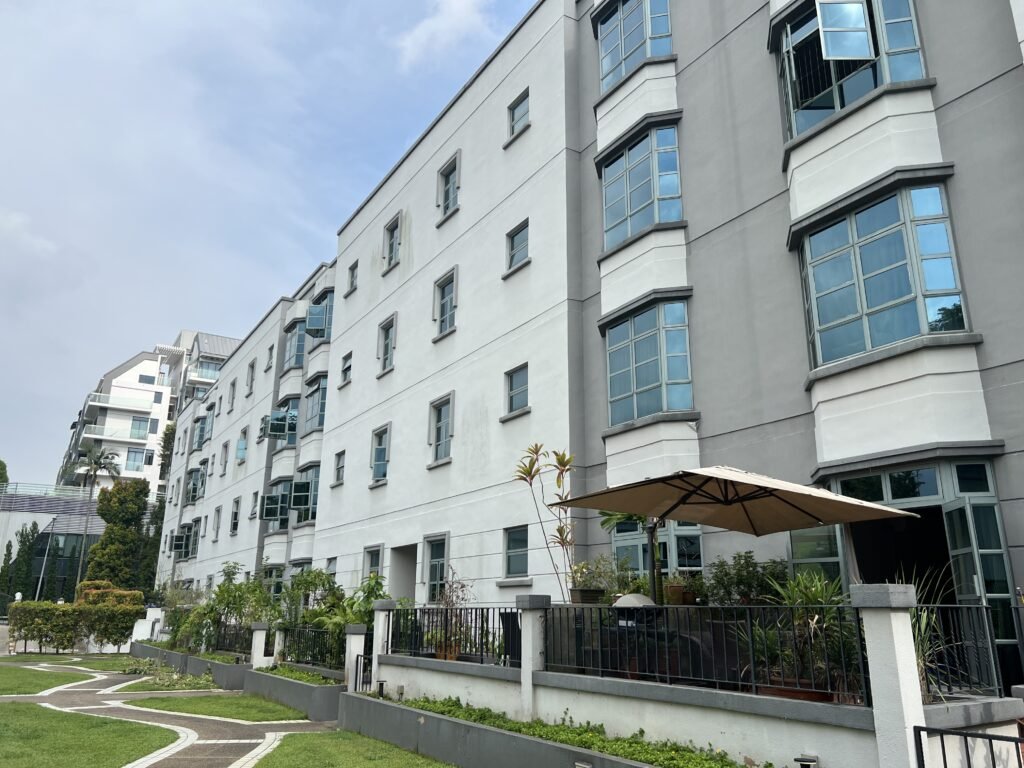
This condominium PFI case study shows how SGFacadeScan supports MCSTs, managing agents and building owners with a structured Periodic Facade Inspection workflow for residential buildings in Singapore. The project for a condominium building in Singapore involved 100% visual inspection using drone capture, minimum 10% close-range inspection by rope access, defect documentation, assessment and recommended repair actions.
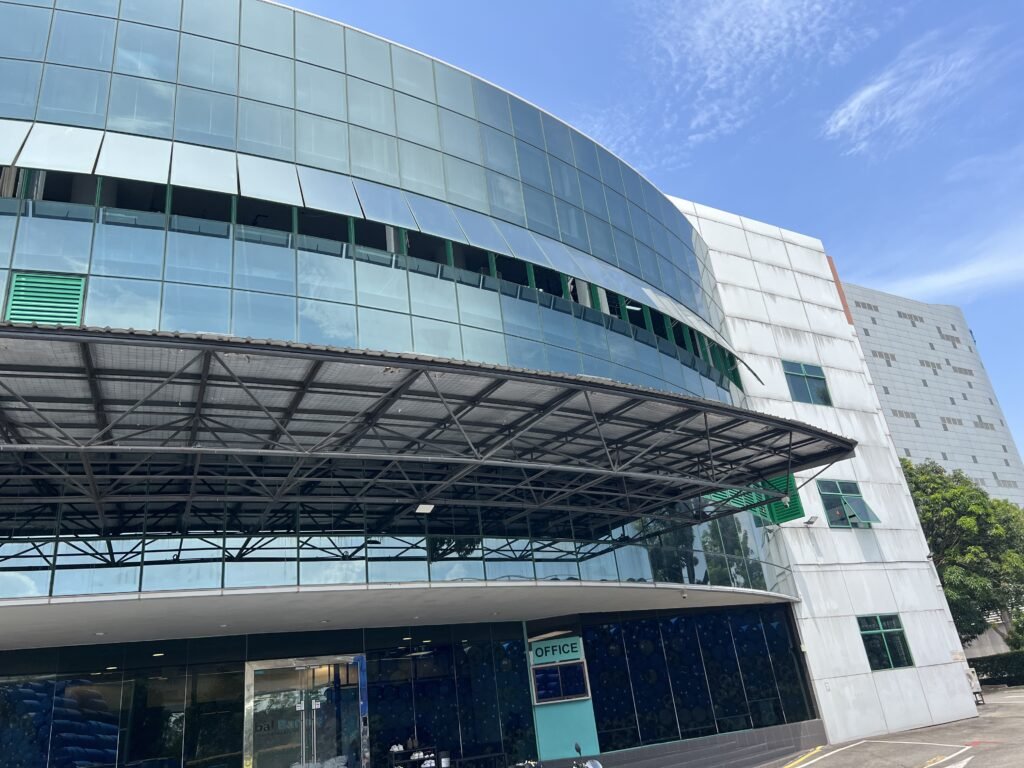
Industrial PFI Case Study
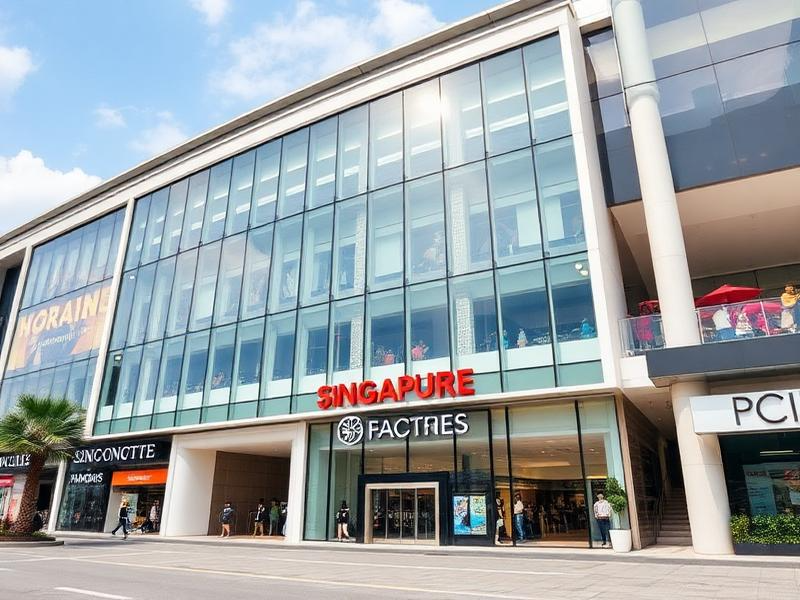
This anonymised industrial PFI case study shows how SGFacadeScan supported the Periodic Facade Inspection of a 4-storey industrial building in Singapore. The building was approximately 30 years old, with a mix of aluminium cladding, plaster finish, glazed facade elements, metal roof canopies, louvres, awnings and external M&E attachments.
The case study is useful for industrial property owners, facility managers and operations teams because industrial facades often face a different risk profile from residential buildings. Loading areas, forklift routes, exposed metal fixings, external services and roof attachments can create facade defects that require systematic inspection and practical follow-up action.
Frequently Asked Questions About PFI in Singapore

1. What is Periodic Facade Inspection, PFI?
2. Which buildings need PFI in Singapore?
In general, BCA requires facade inspections for buildings that are more than 20 years old and more than 13 metres tall, subject to specific exceptions such as landed houses and temporary buildings.
3. How often must PFI be carried out?
4. Who is responsible for appointing the Competent Person?
The building owner/MCST is responsible for appointing a Competent Person (CP) to carry out the facade inspection. The CP may be assisted by an accredited Facade Inspector under the CP’s direct supervision and control.
5. Can a Facade Inspector conduct the PFI independently?
No. A Facade Inspector may assist with the inspection, but the PFI must be conducted under the direct supervision and control of the appointed Competent Person.
6. Can drone inspection be used for PFI?
Yes. Drone inspection can be used to support visual facade inspection, especially for high-level and difficult-to-access areas. However, the inspection findings should still be reviewed and managed under the required PFI process by the appointed professionals.
7. What facade defects are commonly found during PFI?
Common facade defects include external wall cracks, spalling concrete, loose tiles or finishes, loose facade elements, sealant failure, cladding defects, water seepage, staining, corrosion, and surface deterioration.
8. What happens if defects are found during PFI?
If defects are detected, the building owner must arrange for the necessary rectification works. BCA states that building owners must ensure defects detected by the CP are promptly repaired.
9. What documents are usually needed for PFI preparation?
Common documents may include building plans, elevation drawings, as-built drawings if available, previous inspection records, repair records, photos of known defects, access information, and any BCA correspondence or PFI notice.
10. How can your team help with PFI?
Our team assists with BCA liaison support, document preparation, purchase of as-built drawings where required, facade inspection planning, drone inspection coordination, close-range inspection coordination, defect documentation, recommended rectification methods, report preparation support, and submission coordination.